
Featured article
What is a snagging inspection?
A plain explanation of what a snagging inspection is, what it covers and when it is most useful.
Blog
Insights and advice to help you understand what to look for, what to ask and when to get an independent view.
A plain explanation of what a snagging inspection is, what it covers and when it is most useful.
What a fire compliance inspection covers, from escape routes and alarms to compartmentation, and why regular checks matter.
Read moreHow we review your consumer unit, wiring, sockets and records, and when a qualified electrician needs to take over.
Read moreAppliances, flues, ventilation and carbon monoxide: what we look at and why gas safety matters in every home.
Read moreWater temperatures, storage and thermostatic mixing valves: how we check your water systems are being managed safely.
Read moreHow we identify suspect materials in older buildings, assess the risk and tell you when specialist advice is needed.
Read moreEven brand new homes can have defects or unfinished work. Here is why an independent view is worth having.
Read moreFinal payment is your last point of leverage. A few sensible checks before you release it.
Read moreThe two are often confused, but they do different jobs. Here is how to tell which one you need.
Read moreThe kinds of issues that come up in new homes, and why it pays to record them early.
Read moreJames introduces the experience and standards behind every Wiltshire Snagging inspection.
Read moreFrom Chinook aircraft maintenance to Defence facilities management, Kieren brings a precise eye to every inspection.
Read more
Request a quote and tell us about your property or completed works.

A snagging inspection is an independent visual assessment of a property. Its purpose is to identify visible defects, poor workmanship, incomplete items and finishing issues, and to record them clearly so they can be put right.
The word "snag" simply means a fault or an unfinished job. It might be a door that does not close properly, a scratched worktop, a patch of decoration that has been missed or a fitting that has been left incomplete. Some snags are minor. Others matter more. In every case, it helps to have them written down.
An inspector works through the visible and accessible areas of the property, making a structured assessment and taking photographs. Findings are then set out in a report, with clear descriptions and the location of each issue.
A snagging inspection is not a structural survey, a valuation, building control approval or specialist certification. It is limited to what is visible and accessible at the time, so concealed defects cannot be guaranteed to be found.
The best time is usually before legal completion, where access is possible, or shortly after handover before the property is fully occupied. Once furniture and carpets are in place, some issues become harder to see and record.

A new home should be the one place where you do not expect problems. Even so, newly built homes can have defects or unfinished work. A house is put together by many different trades, often working to tight programmes, and small things can be missed along the way.
When you view your new home, it is easy to be drawn to the finished kitchen and the fresh paint. An independent inspector is there to look at the property calmly and methodically, with no connection to the developer and no interest in the outcome other than an accurate record.
A list of concerns is much easier to raise when it is clear, specific and supported by photographs. A professional report gives you that evidence and helps you raise issues with your developer with confidence.
Buying a home is one of the largest decisions most people make. Knowing what has been found, and what still needs attention, puts you in a stronger position to get things resolved.
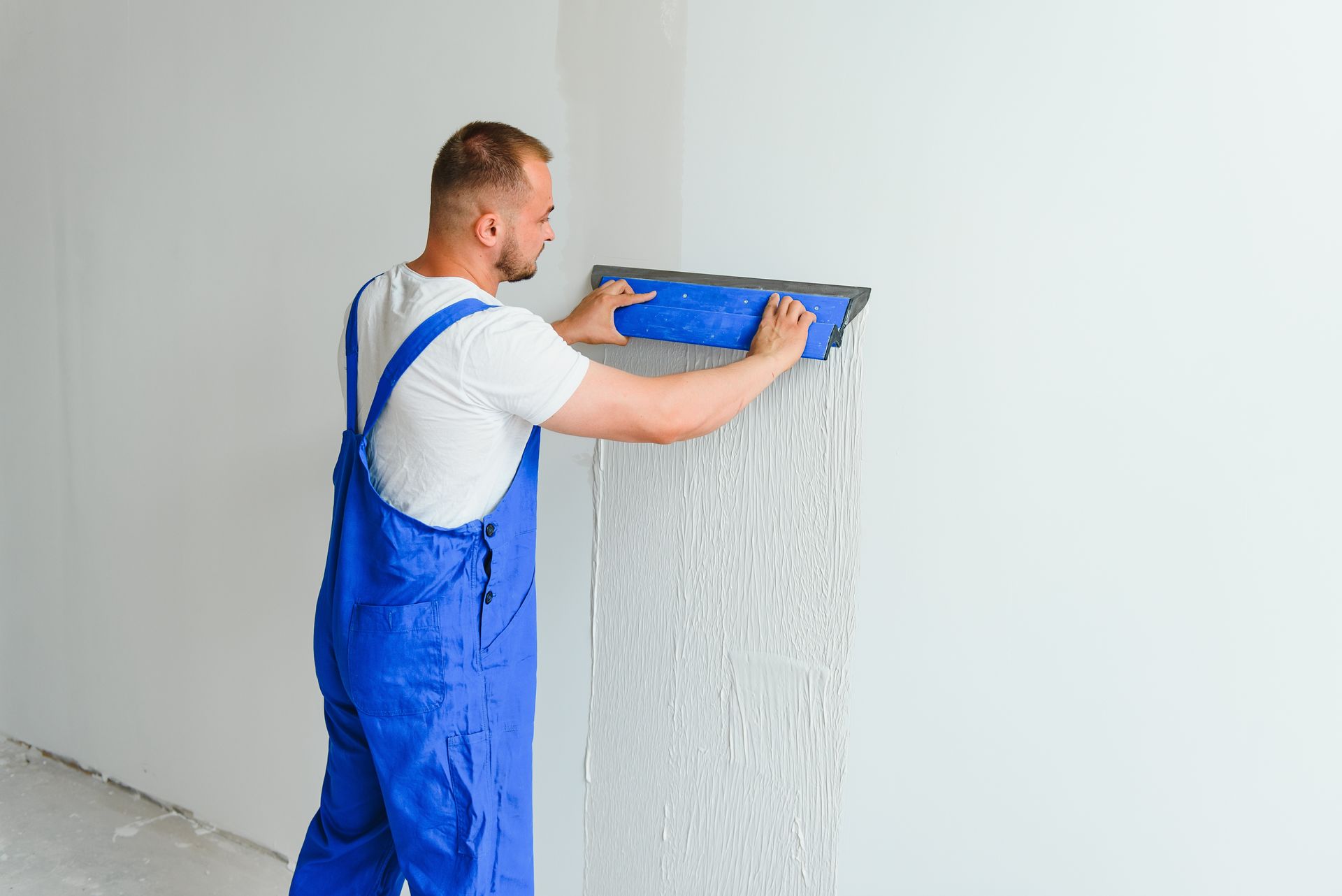
The final payment on a building project is an important moment. Once it has been made, it can be harder to get outstanding work finished. Before you release it, it is worth taking stock of exactly what has been done.
Go back to what was agreed. Look for anything that was included in the job but has not been finished, and anything left to be made good, such as decoration or tidying up around new work.
Look at the work in good light. Check surfaces, joints, edges and fittings. Open and close doors and windows, and try anything that moves or operates.
Some work needs specialist testing or certification, which should be carried out by an appropriately qualified and authorised specialist. Ask your builder which documents apply to your job and make sure you have them.
If you are not sure what you are looking at, or you already have concerns, an independent inspection gives you a clear, documented view of quality and completion before you make final payment or formally accept the work.
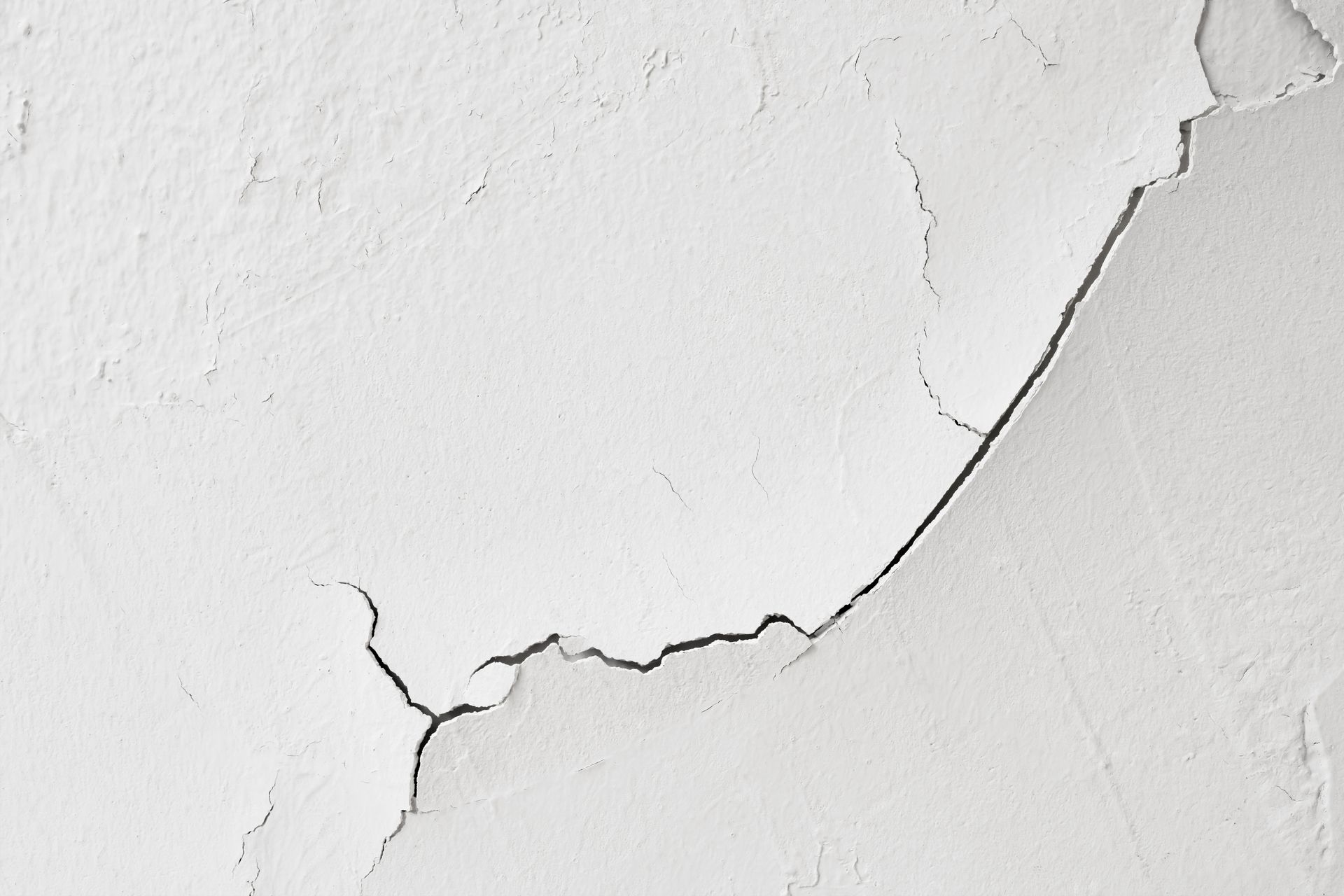
Snagging inspections and surveys are easily confused. Both involve someone looking closely at a building, but they have different purposes.
A snagging inspection is an independent visual assessment focused on visible defects, poor workmanship, incomplete items and finishing issues. It is most often used for new-build homes and for completed building work, where the aim is to get things put right by the people responsible.
A structural survey is a different service, carried out to assess the structure of a building. A snagging inspection is not a substitute for one, and neither is it a valuation, building control approval or specialist certification.
If you are buying a new-build home or have just had work completed, and you want to know what still needs attention, a snagging inspection is likely to be the right starting point. If you have concerns about the structure itself, you should speak to an appropriately qualified specialist.
If you are unsure, get in touch and tell us about the property. We will explain what our inspections can and cannot do for you.

Every new home is different, but the issues found during inspections tend to fall into a few familiar groups. Knowing what they are can help you look at your own property with a more careful eye.
Marks, gaps and uneven finishes on walls, ceilings, woodwork and decoration. These are often small on their own, but they add up and are easier to raise before you move in.
Items that have been fitted but not to a good standard, such as doors, skirting, tiling, sealant and kitchen units.
Anything visible that may affect the safety of the people living in the home should be recorded and raised promptly. Where specialist testing is required, it should be carried out by a qualified specialist.
Clear, dated and photographed records make it easier to raise issues with your developer and to check later on that they have been addressed.

At Wiltshire Snagging, every inspection is led by a professional whose career has been built on high standards, independent judgement and a deep commitment to quality, safety and compliance.
As Founder and Inspector, I bring extensive experience from complex infrastructure, safety-critical and high-accountability environments, where clear evidence, sound professional judgement and robust reporting are essential. My background spans assurance, compliance, risk management, infrastructure oversight, contractor performance and quality-led inspection, all of which now inform the professional standard of service delivered through Wiltshire Snagging.
This business was established to provide clients with more than a basic inspection. The aim is to offer a clear, independent and professionally structured assessment of new-build homes and completed building works, helping clients identify defects, assess quality and challenge concerns with confidence.
My qualifications reflect a broad and highly developed professional capability across safety, quality, compliance, project delivery, audit, risk, infrastructure and building-related management disciplines. You can see them in full on our About page.
Through Wiltshire Snagging, that knowledge is applied in a practical and client-focused way. Whether inspecting a new-build home or reviewing completed building work before final payment, the objective remains the same: to provide an independent, evidence-based report that is clear, professional and capable of withstanding scrutiny.
Wiltshire Snagging is built on professionalism, integrity and attention to detail. If you require an inspection service backed by strong credentials, broad technical understanding and a commitment to high standards, we are here to help.

Kieren Barnett's career has been built on precision, compliance and high standards. As a Senior Facilities Manager with DIO, Kieren oversees hard and soft facilities management, statutory compliance, risk management, contractor performance and service assurance across demanding Defence environments.
His previous experience in Chinook aircraft maintenance with Serco strengthened his eye for detail, technical standards, documentation, COSHH management, audit preparation and quality control, all skills that directly support professional property snagging.
Kieren holds a Level 2 Facilities Services NVQ, Level 3 Aeronautical Engineering NVQ, Level 2 Customer Service NVQ, and has completed IOSH safety training, along with courses in asbestos management, risk management, environmental awareness, electrical safety, DSEAR awareness, commercial awareness and built estate operations.
At Wiltshire Snagging, Kieren brings this experience together to provide clear, independent and detailed inspections, helping homeowners identify defects, challenge poor workmanship and protect their investment with confidence.

Fire safety should never be left to chance. It is a practical risk-control requirement, a responsibility we should all take seriously and, for landlords and property managers, a legal duty. Our fire compliance inspection helps you understand whether your property meets key fire safety standards and whether its fire safety measures are working as intended.
Whether you are a homeowner, landlord or property manager, a structured inspection gives you clear, evidence-based findings, so you can reduce risk, improve safety and deal with issues before they become emergencies.
It is a systematic review of your home’s fire safety provisions: the systems and features designed to detect a fire early, alert the people inside, contain fire and smoke, and keep escape routes safe.
We do not simply look around. We follow a structured checklist, record our findings and identify where improvements or remedial work are needed, with recommendations to help you move forward with confidence.
These are the main areas we typically assess during a fire compliance inspection.
Fire risks build up over time. Alarm batteries age, detectors deteriorate, layouts change and storage habits shift. Without regular checks, small issues can become serious gaps in safety.
A formal inspection helps you:
We take a structured, compliance-led approach designed to deliver meaningful results. The aim is simple: to help you understand your current fire safety position and take practical steps to improve it.
Whether you are preparing for a new tenancy, reviewing your safety arrangements or simply want reassurance, get in touch to arrange an inspection. We will inspect, record our findings and give you recommendations that support safer living and stronger compliance.
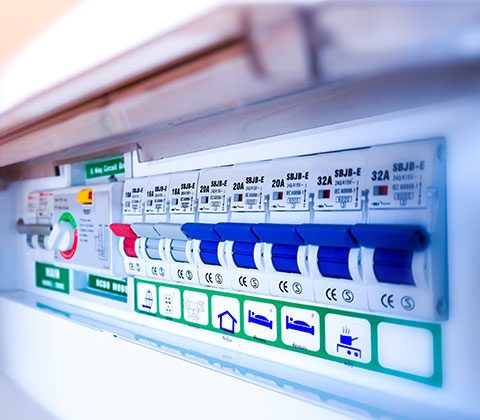
Electrical safety is one of the most important, and most overlooked, parts of home compliance. Faulty wiring, damaged fittings, overloaded circuits or inadequate protection can lead to electric shock, burns and a serious risk of fire.
An electrical compliance inspection gives you confidence that the electrical installation in your property appears safe and properly maintained. We take a structured approach, record what we find and give clear recommendations so you can act where needed.
It is a safety-led assessment of the visible and accessible parts of your electrical installation, carried out within the agreed scope. It can include visual checks, identifying obvious defects and reviewing the protection measures in place. Where something needs further investigation or repair, we will tell you, so it can be picked up by a qualified electrician.
Please note: this is a visual inspection, not an Electrical Installation Condition Report (EICR). Electrical testing and certification must be carried out by a qualified electrician.
These are the main areas we typically assess. Exact checks vary with the property layout, the age of the installation and the scope you choose.
Electrical faults can be subtle. A loose connection today can become a dangerous overheating problem tomorrow. Regular inspections help you:
Compliance reporting needs to be easy to understand and act on. You get a structured, checklist-based review, clearly recorded findings and practical recommendations to help you make safer decisions.
If you want reassurance that your home’s electrics are being checked properly, get in touch to arrange an inspection.
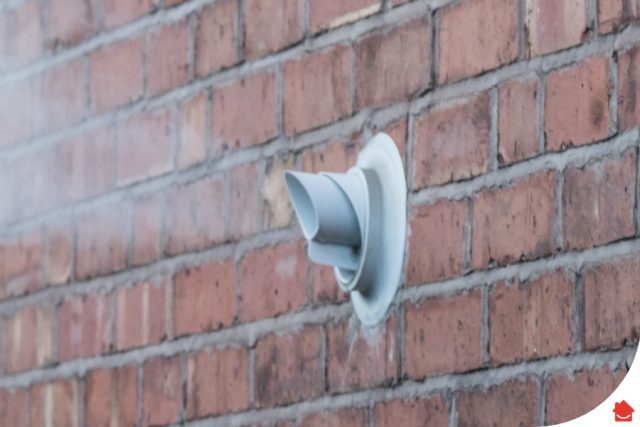
Gas safety matters in every home. When gas appliances are not installed correctly, maintained properly or used safely, they can cause serious harm, including carbon monoxide (CO) poisoning, gas leaks and the risk of fire or explosion.
A structured gas compliance inspection helps you check that your gas equipment appears safe, compliant and working as intended. We focus on practical checks, clear reporting and recommendations that support a safer home.
It is a safety-led assessment of the gas appliances and associated installations in a property. Depending on the agreed scope, we review visible and accessible elements, assess risk and identify potential faults that should be dealt with.
We record what we find and advise on next steps, whether that is servicing, maintenance, minor remedial work or referral to a specialist.
Please note: this inspection is not a gas safety check or certificate. Any work on gas appliances, and any gas safety certification, must be carried out by a Gas Safe registered engineer.
These are the main areas we typically review. Exact checks vary with the property, the appliances and the scope you choose.
Heating, cooking and hot water all depend on gas appliances working safely, yet faults can develop gradually and are not always obvious to the people living there. A gas compliance inspection helps you:
Homeowners and property managers need clarity, not uncertainty. Our inspections give you a structured, checklist-based assessment, evidence-based findings and clear, prioritised recommendations you can act on.
If you would like reassurance that your gas appliances are being managed safely, get in touch to arrange an inspection.
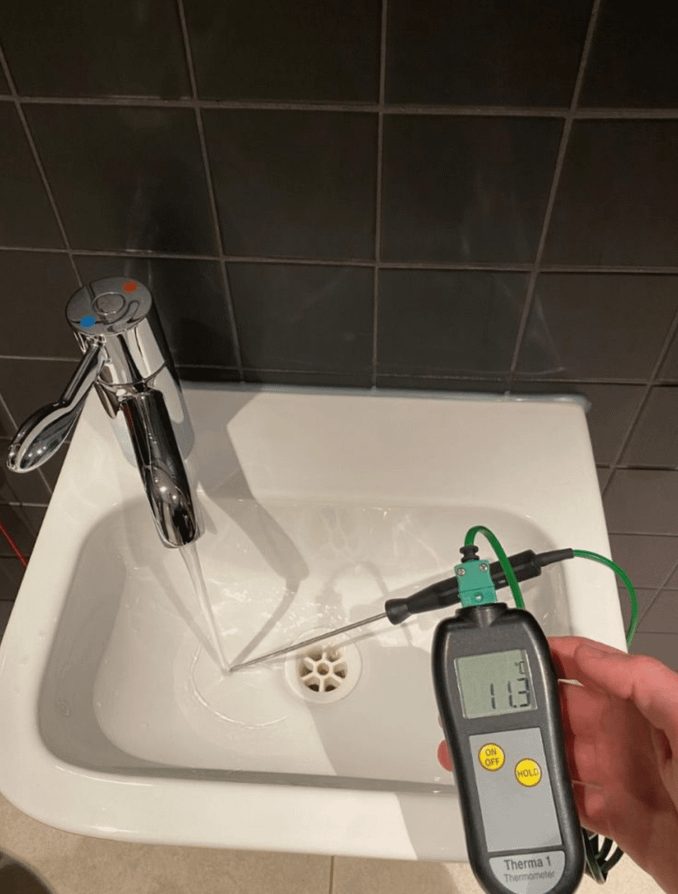
Legionella bacteria can pose a serious health risk if water systems become contaminated and conditions allow the bacteria to multiply. Thermostatic mixing valves (TMVs) also play an important role, controlling hot water temperatures to reduce the risk of scalding.
A combined Legionella and TMV inspection helps you understand whether your water systems are being managed safely, whether temperatures are properly controlled and whether sensible precautions are in place to protect residents and visitors.
It is a structured review of:
Your inspection is documented with findings, observations and clear recommendations wherever improvements are needed.
We keep our checks structured and our reporting straightforward, so you can understand your current risk, confirm whether temperature control and TMV maintenance appear effective, and close any compliance gaps with practical next steps.
If you want reassurance that your water systems are being managed safely, or you are preparing for a compliance review, get in touch to arrange an inspection.
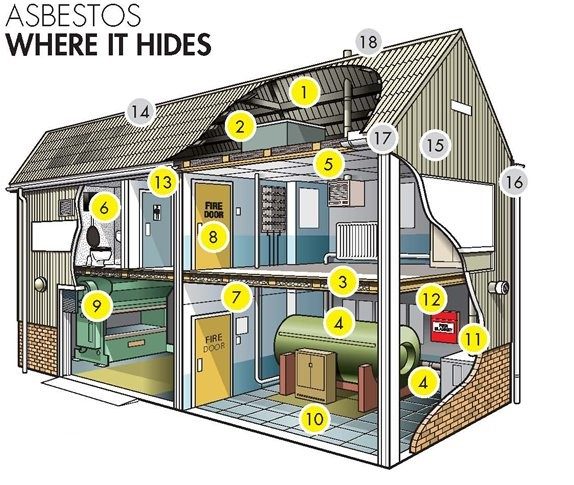
Older properties can contain asbestos-containing materials (ACMs), which were used in construction for decades. Many are low risk when they are in good condition and left undisturbed, but the risk increases when materials are damaged, deteriorate or are disturbed during maintenance or refurbishment.
A structured approach helps you understand what may be present, how to manage it responsibly and when to bring in subject matter expert (SME) advice, so the right decisions are made safely.
It is a non-intrusive inspection aimed at identifying materials in an older building that could contain asbestos, and helping you manage the risk in a structured, compliant way. It is important to understand its limits:
Where we identify a potential risk, we give clear recommendations on next steps and, where needed, advise referral to an appropriate asbestos specialist.
SME advice usually involves a specialist assessment and, where appropriate, sampling and laboratory testing.
The aim is not to alarm you, but to manage the risk responsibly:
You get a structured review with clear outputs: the likely risk areas, the condition and disturbance risk of suspect materials, recommended next steps and a clear flag wherever SME advice is required.
If you own, manage or are responsible for an older property and want confidence about asbestos risk and the right way to manage it, get in touch to arrange a review. Asbestos advice is priced per property, from £250 for a flat up to £800 for five bedrooms or more. See our pricing